One Million Sheep
Lacoste, France
Everybody knows the feeling of class being interrupted by a fire drill. Sometimes inconvenient, yes, but also an excuse to abandon the confinement of the classroom and get fresh air. However, the disruption I’m about to describe was unlike any fire drill I’d experienced.
Though it was just as abrupt and random, the French country-side version involved zero fires and instead many, many sheep.
In late March of 2023 I ventured to Europe for the first time. I met my college roommate, Hayley, at Newark (NJ) airport for our flight to France, where we would spend the next 10 weeks as part of our Spring Quarter. An emotional mixture of nerves and excitement whirled inside me as we waited in the airport.
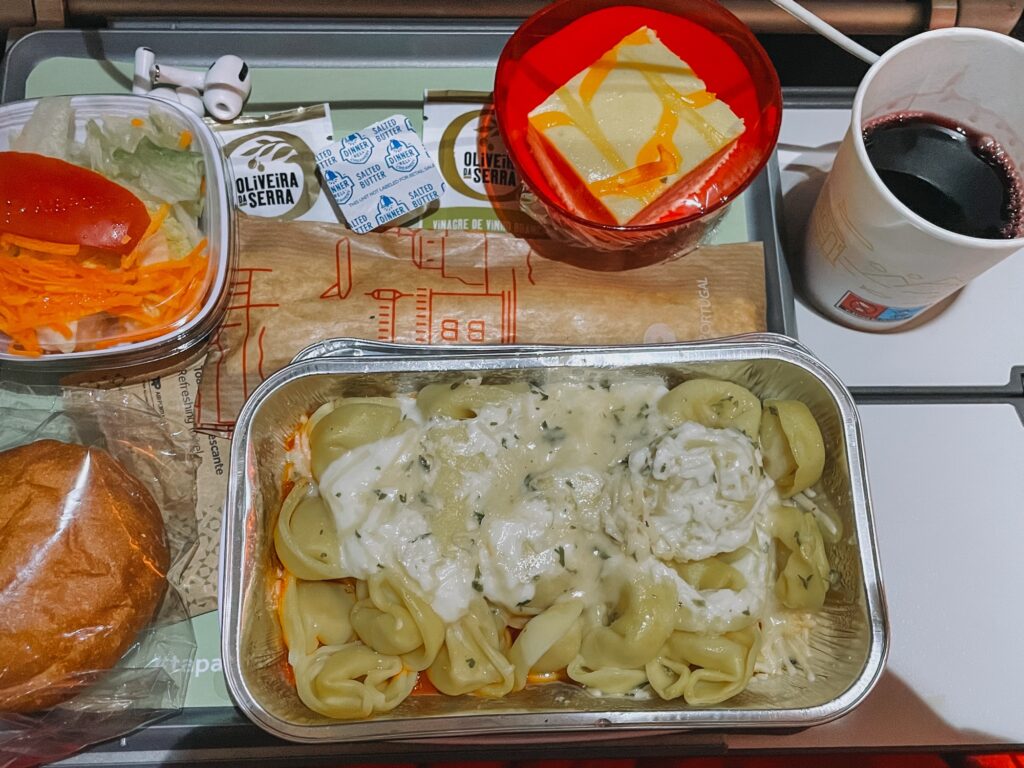
A few hours into our flight, the flight attendant strolled by with the meal cart and asked, “Red or white wine?” This was the time in our lives, prior to being 21, that acquiring alcohol was still a nerve wracking event involving fake IDs and clever scheming. Yet here, on this plane, we were being offered wine – no questions asked.
I guess I chose red:
Eventually, we landed in France and hopped in a bus to be driven to Lacoste. My eyes were glued to the window, taking in the dreamy rolling hills and fields of olive trees as we continued towards the campus.
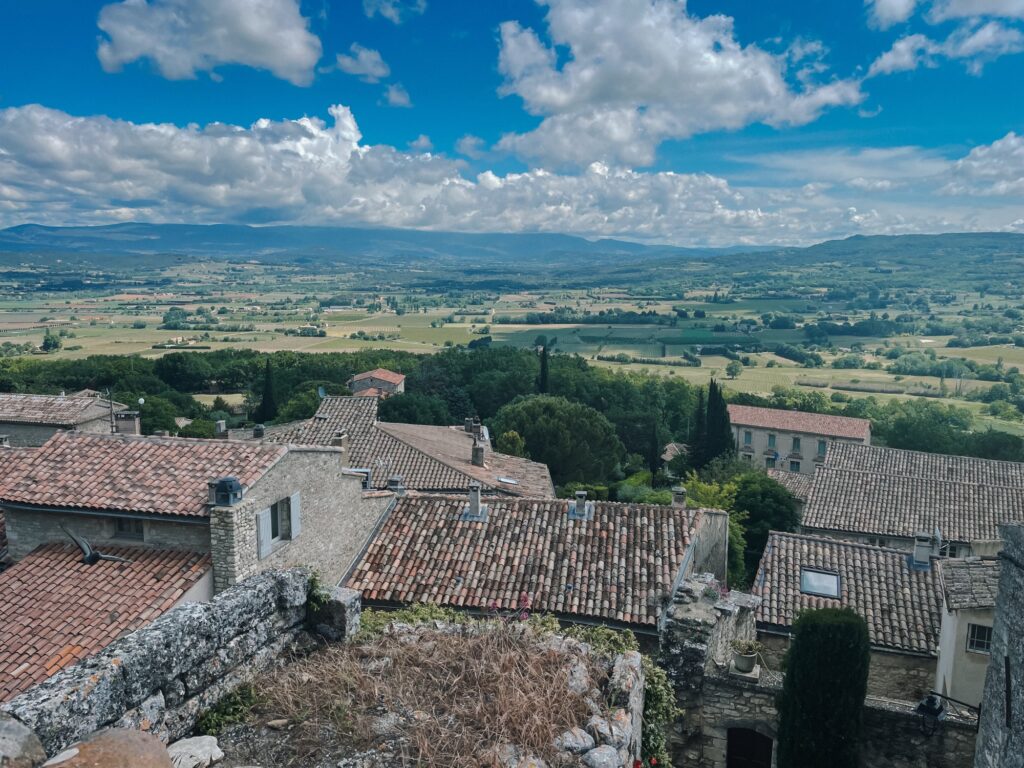
Lacoste was a very unique place, a hilltop village in the Luberon region of Provence. Cobblestone lanes winded between old stone houses, each overlooking the lavender-filled valley below. The SCAD campus blended into the existing architecture, though I still often felt out of place.
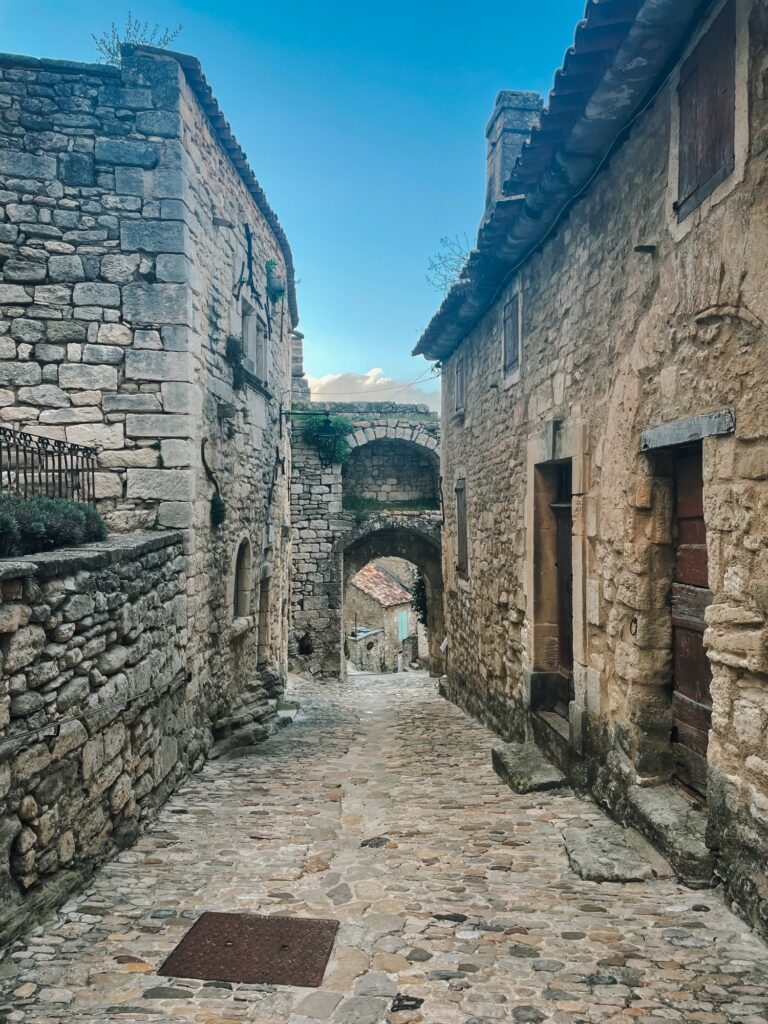
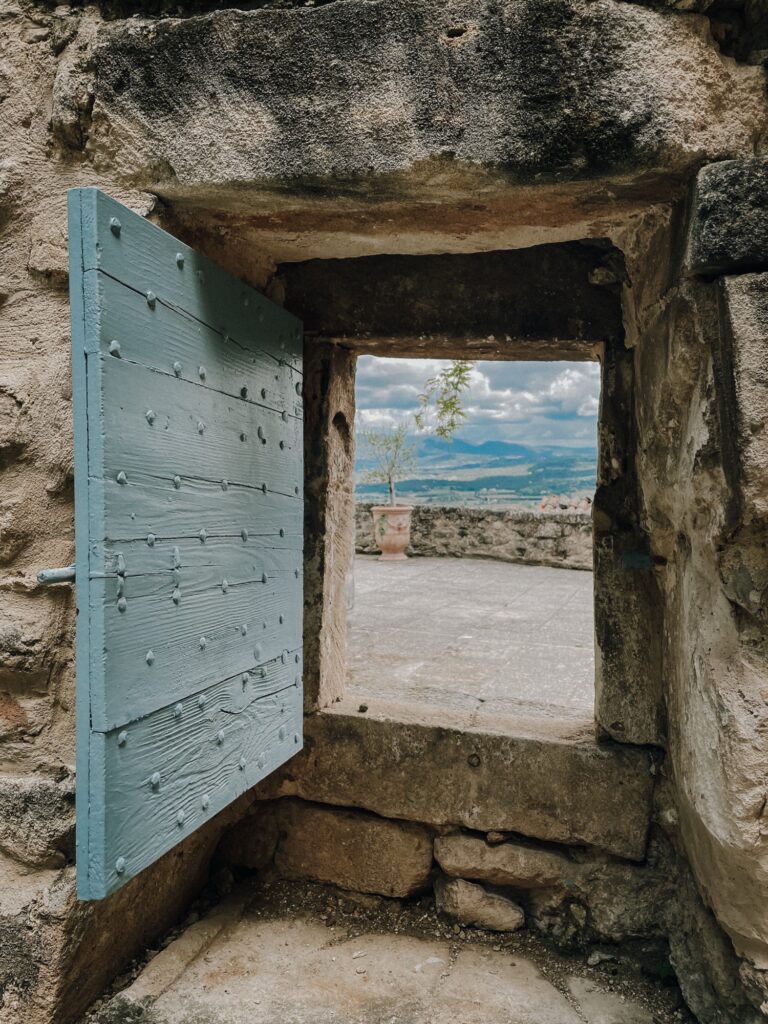
Living there felt like going back in time.
There were only two small restaurants and few locals, our dorm room was essentially a cave, and each day we had to take many steps up and down a gruesome hill to get to class. The atmosphere was extremely peaceful and quiet, a stark contrast to Savannah’s bustling streets and chaotic traffic.
Besides being in class, there was little to do besides reading books on balconies or drinking aperol spritzes at the tiny cafe while gossiping about school. Occasionally, we’d simply wander the narrow streets, though one wrong turn could lead you into a local’s garden or onto your professor’s front porch.
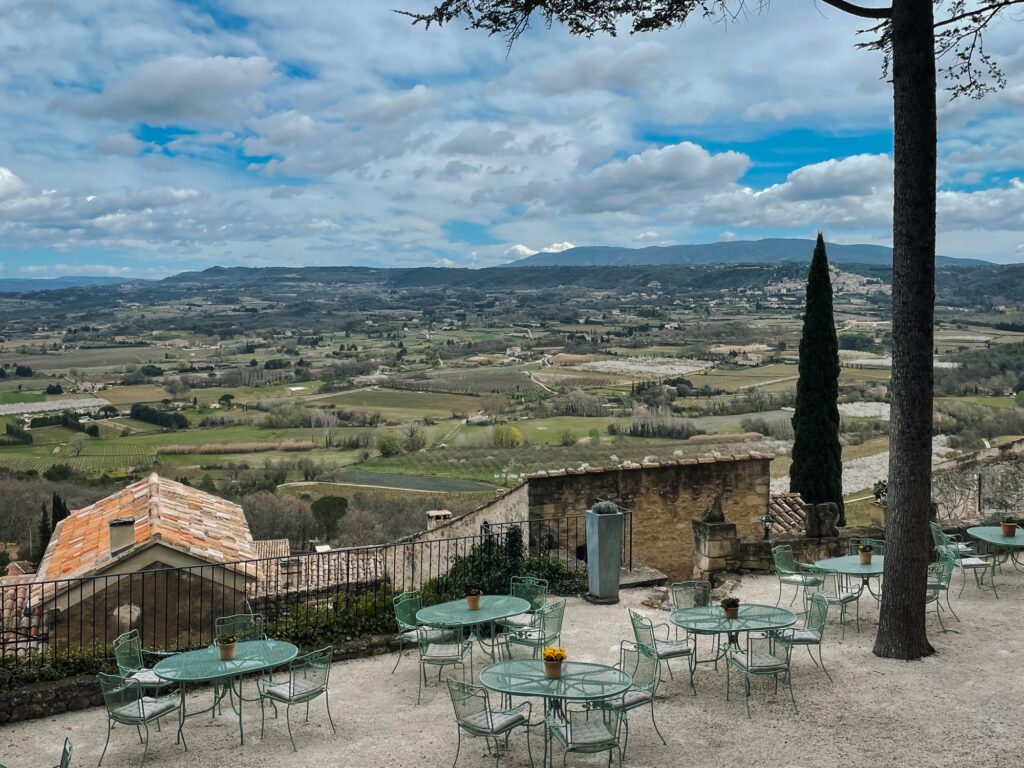
The general feelings towards this lack of activity were mixed. Most days, I relished in the quietness, while other days we were all a bit bored. Therefore, I will never forget how ecstatic I felt when class was suddenly interrupted one day by something I’ll likely never see again in my life.
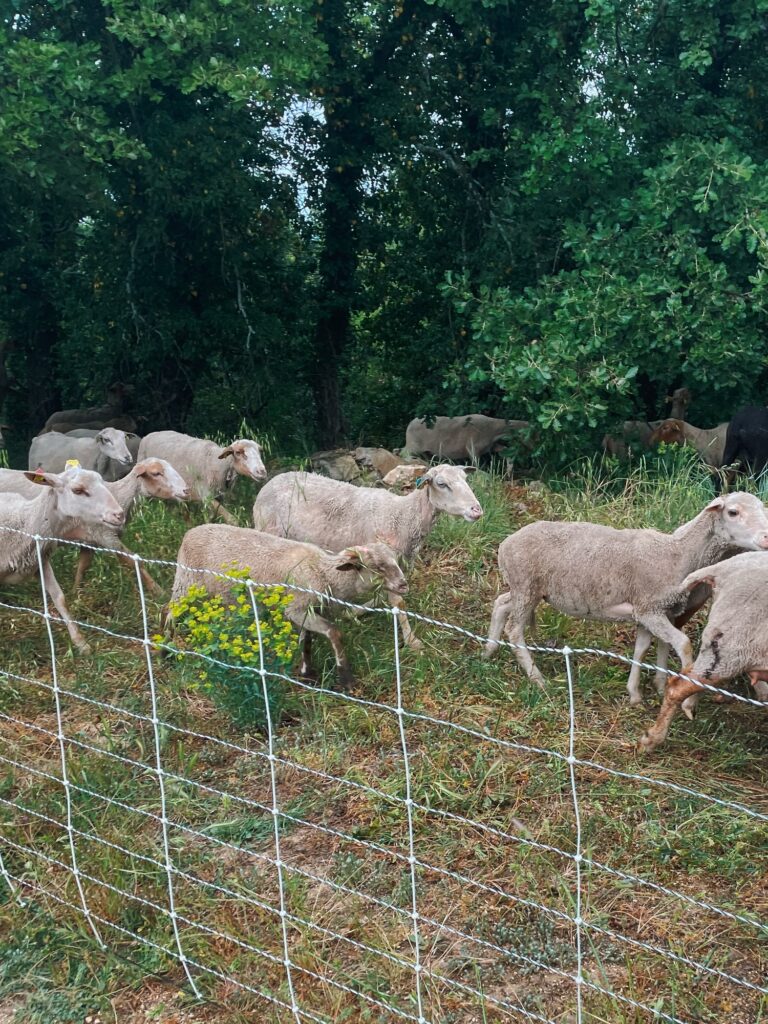
We were in the middle of a lecture when we all heard a sudden commotion outside. Everybody simultaneously turned towards the back windows. I was completely stunned to see what appeared to be one million sheep running down the hill in front of us. They just kept coming, a continuous flow of white, fluffy animals stomping through the dirt together.
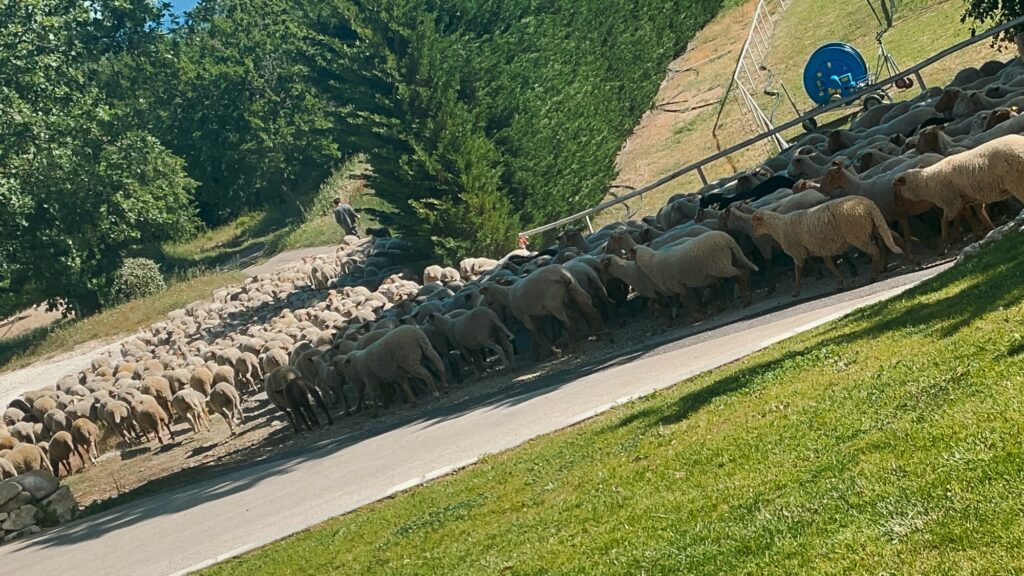
Every time I assumed I’d seen the last sheep, more emerged behind it.
Of course, we all ran outside to experience this occurrence up close. Two men walked at the front and back of the sheep mass, as if they were part of the herd. We all watched in awe as they continued away from the building, eventually disappearing from sight. We must have continued class as normal after that, as if we weren’t just interrupted by the largest group of animals I’ve ever seen.
After class, I made it my mission to investigate more about the whereabouts of these sheep. I ventured out in the direction they had migrated towards and found them all gathered in a patch of grass. The two men, who I now realize were legit shepherds, had put up a plastic fence to contain them. From all directions came the typical “Baaa” sound, each with varied lengths and pitches.
There were sheep everywhere: to my right, left, under trees, up in bushes . . . So many sheep.
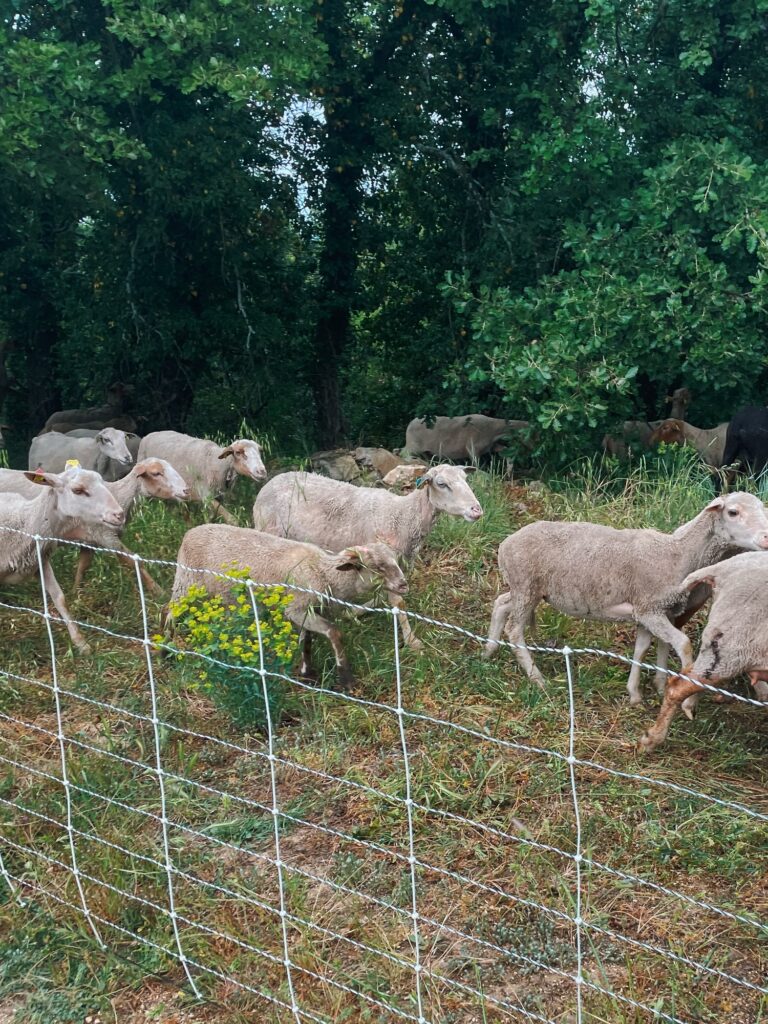
Eventually I met one of the shepherds and through broken English he explained to me they were walking to Switzerland. My initial reaction was obviously, “What do you mean you’re walking to Switzerland?” I couldn’t believe this wasn’t a movie set. He explained they would spend a few days in Lacoste and then continue North.
Upon further research, I guess this is part of transhumance, a traditional seasonal migration of livestock from France to Switzerland. And no, I didn’t just make that up. Apparently, this movement has been done for centuries due to the sheeps’ preferred weather and grazing conditions in the Alps.
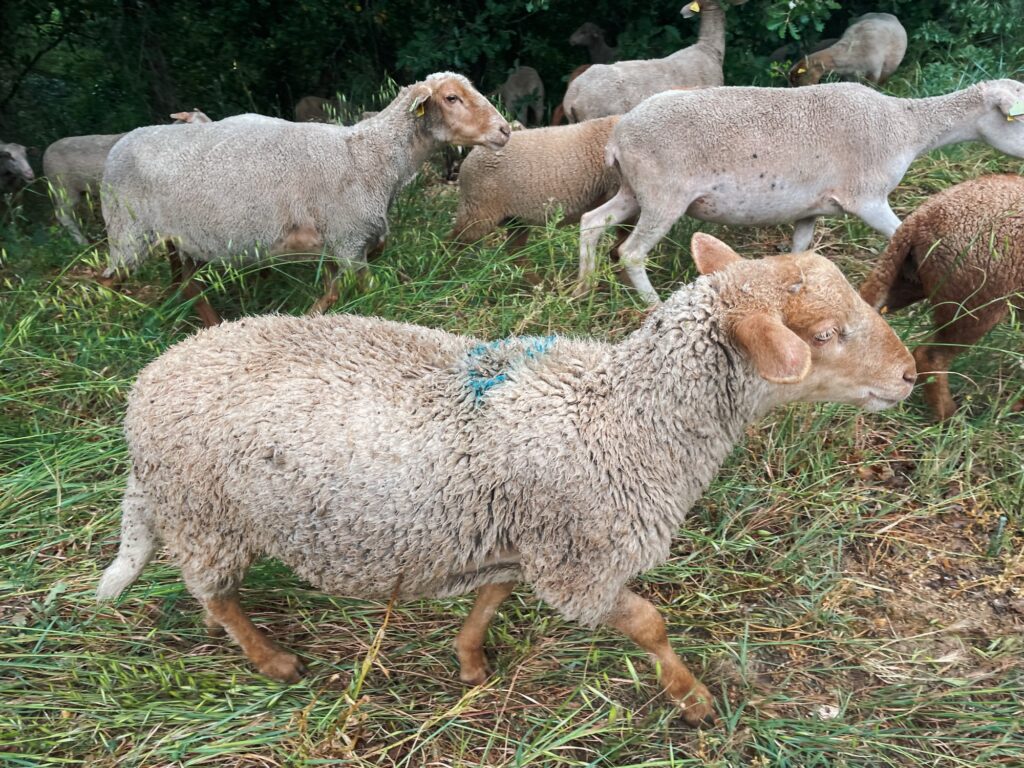
As if being up close to the herd wasn’t amazing enough, the shepherd brought me over to a white van. Inside stood a newborn lamb, her coat still stained with blood and umbilical cord hanging from her stomach. She was next to her mother, appearing so tiny and fragile compared to the others. I’d never seen a newborn animal, eyes wide and adjusting to her unfamiliar surroundings.
An overwhelming feeling of luck and gratitude flooded over me.
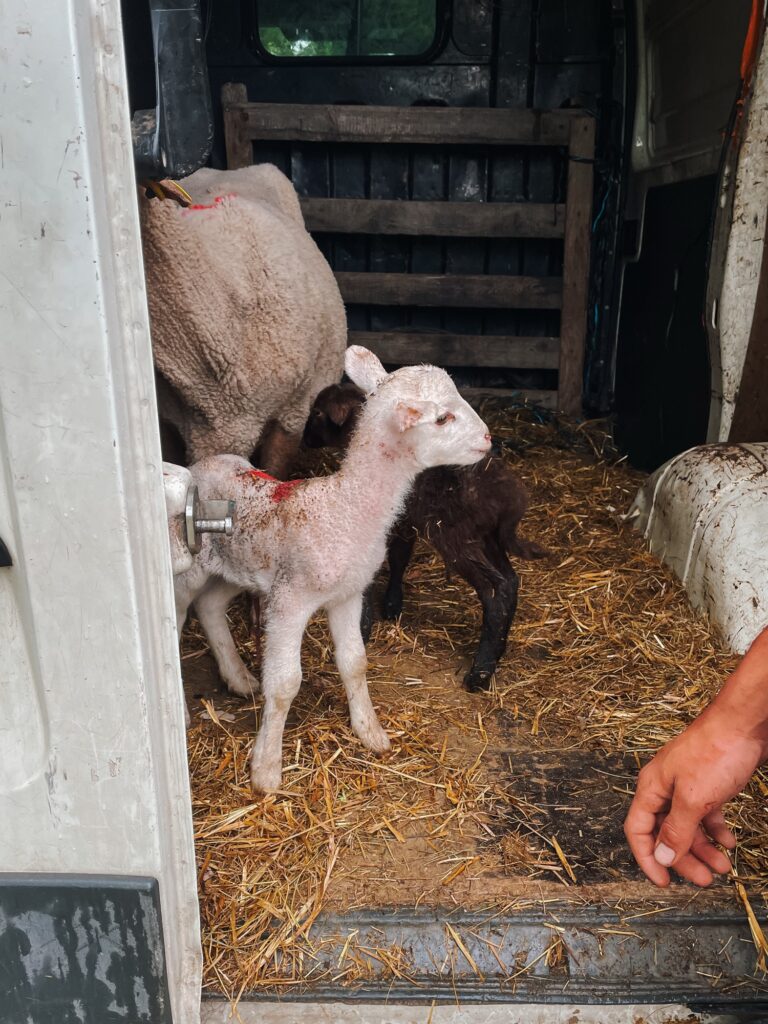
I couldn’t believe I had witnessed this small part of their extensive journey. It was one of the first times I realized just how large Earth is, filled with millions of people with vastly different lives. These shepherds were preparing for a trip I was completely ignorant of.
I noticed the contrasts between my life and theirs.
Here I was, paying to live in the French countryside, merely because it was a beautiful place to study. On the other hand, here they were, guiding hundreds of sheep across different countries, using Lacoste as a place of rest.
Two strangers, in the same tiny village, with entirely different reasons for being there.
When I asked what would happen at the end of their journey, the shepherd laughed awkwardly and said “uhh they get eaten.” This was not the response I had hoped for, which was that they’d all live happily ever after in the Swiss alps. Yet even with that morbid thought, this moment was one of the highlights of the entire quarter I spent in Lacoste.
It was a reminder at how many different lives you can live, how many different paths you can take . . . Sometimes the paths you choose involve walking with a million sheep at your side!